St. Petersburg Sliding Doors Repairs for Smooth Door Operation
St. Petersburg Sliding Doors Repairs for Smooth Door Operation
Blog Article
Repairing Sliding Doors for Frictionless and Functional Use
Sliding doors hold an important place in boosting both accessibility and aesthetic appeal in homes. Still, they can encounter various issues that hamper their functionality. Off-tracking, worn rollers, and debris in the tracks are typical problems. Regular maintenance is essential to assure smooth operation. Homeowners should be mindful of these evidence of wear and how to address them effectively. Understanding the fundamental causes can bring about more effective solutions. What steps should be taken to maintain these essential features?
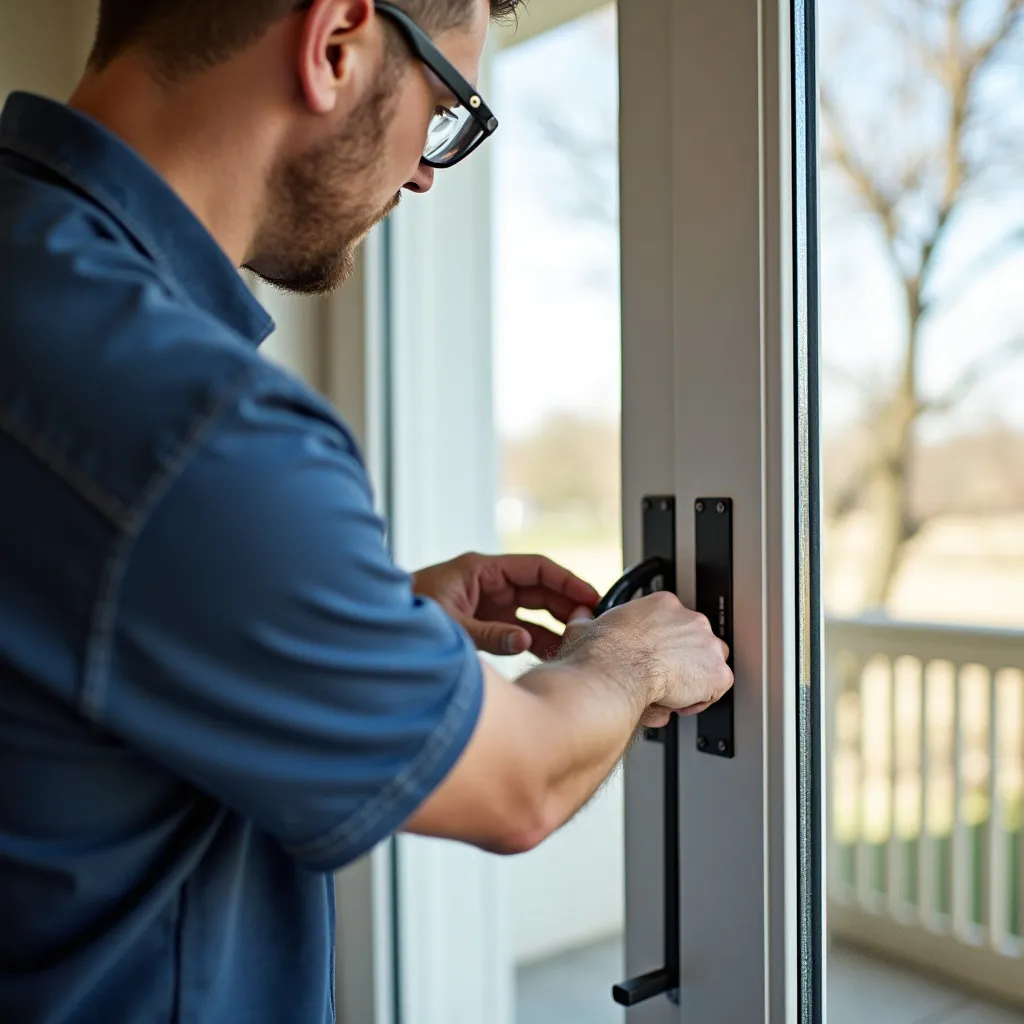
Typical Challenges With Sliding Doors You Should Learn About
Sliding doors, while convenient and stylish, often encounter a range of common issues that can interfere with their operation. One common issue is improper alignment, which can cause the door to jam or become difficult to open and close. Dirt and debris accumulation in the track can worsen this problem, causing further operational challenges. Additionally, damaged rollers may impede fluid motion, creating a rough or inconsistent glide.
A common problem is damaged tracks, which can occur due to impact or prolonged wear, rendering it difficult for the door to move with ease. Weatherstripping seals may also break down over time, diminishing thermal performance and allowing air infiltration. In conclusion, locking mechanisms can malfunction, threatening safety. Comprehending these issues is critical for effective upkeep and timely fixes, ensuring sliding doors continue to be both operative and visually attractive.
Step-by-Step Guide to Adjusting Your Sliding Door
A well-set sliding door is fundamental for easy operation and security. To adjust a sliding door, one should start by looking over the door's tracks for debris or obstructions. Cleaning the tracks ensures that the door can glide without resistance. Next, inspect the door's rollers for wear and tear, because impaired rollers can alter alignment.
With a implement, modify the height of the rollers; rotating the adjustment screws can raise or drop the door. After making adjustments, cautiously slide the door back and forth to examine its movement. If the door still does not align properly, extra adjustments may be necessary.
Finally, verify that the door is properly seated within the frame. This undertaking may require several iterations to achieve the best alignment. Routine care of the door and its components will assist in preventing future misalignment, ensuring long-term durability.
Steps to Swap Tired Rollers and Tracks
During the maintenance of sliding doors, detecting worn-out rollers and tracks remains essential for achieving smooth operation. Signs of deterioration can display trouble sliding or visible damage affecting the components. Properly changing these parts strengthens both functionality and extends how long the door system lasts.
Detecting Worn-Out Rollers
Detecting faulty rollers plays a crucial role in preserving the smooth operation of sliding doors. With time, rollers wear out as a result of consistent friction and exposure to dirt and moisture. Symptoms of wear include difficulty in door operation, uneven movement, or noticeable damage such as cracks or chips. Performing a visual check on the rollers can show inconsistencies; they ought to rotate smoothly without resistance. Furthermore, inspecting for debris build-up in the track helps assess if the rollers are working correctly. If the rollers appear damaged or do not glide smoothly, replacement is necessary to restore peak operation. Quick identification and corrective measures help prevent more complications and extend the sliding door system's lifespan.
How to Replace Tracks Correctly
Worn-out rollers often suggest that the tracks of sliding doors may also need attention. To replace tracks properly, one must first remove the sliding door by hoisting it out from the bottom. Next, the old tracks should be unscrewed and taken out carefully. Sanitizing the area where the new tracks will be installed is crucial to ensure smooth operation. When choosing replacement tracks, it is vital to choose the correct size and type that matches the door system. After placing the new tracks, they should be firmly fastened with screws. Finally, the door can be reinstalled by aligning the rollers with the new tracks, making sure everything functions smoothly. Consistent maintenance can extend the life of both rollers and tracks.
Restoring Seals and Weather Stripping
Maintaining seals and weatherstripping is important for preserving the comfort and energy efficiency of sliding doors. The soundness of these components stops moisture intrusion, drafts, and pest entry, making their status a priority for homeowners. Selecting the appropriate weather seal materials further enhances durability and effectiveness in filling gaps.
Relevance Of Seal Integrity
Seal integrity plays an key role in the overall success of sliding doors. Properly functioning seals maintain energy efficiency by eliminating air leaks, which can lead to higher heating and cooling costs. Additionally, they protect the interior from moisture, dust, and pests, securing a more welcoming living environment. When seals are compromised, it can result in water damage, mold growth, and wear of the door's components. Periodic checking and attention of weatherstripping and seals are crucial for upholding their effectiveness. A properly cared-for seal not only contributes to the longevity of the sliding door but also elevates its aesthetic appeal. As a result, prioritizing seal integrity is critical for any homeowner desiring reliable and efficient sliding door operation.
Picking the Right Weatherstripping Materials
When selecting weatherstrip materials, homeowners should evaluate elements such as durability, insulation properties, and compatibility with their specific sliding door design. Common materials include foam, vinyl, and rubber, each providing unique benefits. Foam is light in weight and delivers good thermal protection, while vinyl is resistant to moisture and deterioration. Rubber, recognized for its durability, provides superior sealing performance. It's essential to determine the door's dimensions precisely to ensure a proper fit. Property owners should practical guide also assess local weather patterns, as some materials function better in extreme temperatures. Ultimately, the right weatherstripping not only improves energy efficiency but also aids in smoother operation and prolongs the lifespan of sliding doors, assisting in preserving a comfortable home environment.
Tools Essential for Sliding Door Repairs
Procuring the suitable gear is vital for successful sliding door maintenance. A core set of tools should include a assortment of screwdrivers, offering both flathead screwdriver and Phillips screwdriver choices, to adjust and remove screws. Plier sets are important for handling and adjusting small parts. A multi-purpose knife helps with cutting weatherstripping and various materials precisely.
In addition, a level ensures that the door is correctly positioned, avoiding upcoming functionality problems. A tape measure allows for accurate gauging of door frames and openings. Oils, such as silicone spray, are essential for securing smooth operation after repairs.
If the door requires more substantial work, a hammer may be required for modifying frames or copyrights. Ultimately, a vacuum or brush helps clear debris from tracks, ensuring optimal functionality. Having these tools on hand can significantly enhance the effectiveness and efficiency of sliding door repairs.
Active Service Guidelines for Sliding Doors
Proactively caring for sliding doors can greatly extend their lifespan and improve their functionality. Regular cleaning is vital; dirt and debris will build up inside the tracks, causing operational issues. An easy approach is to vacuum the tracks and wipe them down with a moist towel. The application of lubricant is another key factor; applying a silicone lubricant to the rollers and tracks ensures smooth movement.
Moreover, inspecting the rollers and tracks for signs of deterioration can avert issues. Any signs of rust or damage should be addressed immediately. Assessing the alignment of the door is also important; improper alignment can cause strain on the mechanism. Finally, ensuring that the door seals are sound prevents drafts and energy loss, leading to overall functionality. By following these active maintenance tips, homeowners can enjoy the seamless operation of their sliding doors for years to come.
When do you need expert help with French door troubles?
Consistent upkeep can substantially reduce the likelihood of encountering issues with sliding doors; however, some complications may still arise that need expert support. Homeowners should consider pursuing professional help when the door turns difficult to operate, as this typically indicates a misalignment or broken track. Persistent sound during use, such as grinding or scraping, can signal issues with the rollers or hardware that may need expert care.
Additionally, if the door does not seal correctly, producing drafts or water leaks, skilled support is necessary to confirm proper installation and prevent further damage. Breaks or cracks in the glass require immediate professional evaluation to verify safety and security. Ultimately, spotting these problems soon can prevent more extensive repairs and ensure smooth, functional operation of sliding doors. Consulting an expert can supply the expertise and tools necessary for effective resolution.
Often Asked FAQs
How frequently Should I oil My Sliding Door Tracks?
Professionals suggest oiling sliding door tracks every six months to guarantee peak efficiency. Consistent upkeep stops dirt accumulation and wear, promoting smooth operation and extending the lifespan of the sliding door mechanisms successfully.
Winter Service for Sliding Glass Doors - Is It Possible?
Yes, sliding doors can be fixed in winter. However, cold temperatures may affect materials and adhesives, potentially complicating the process. Appropriate precautions and appropriate products can guarantee effective repairs, regardless of the season.
What Substances Function Best for Sliding Door Seals?
Top-tier materials for sliding door seals consist of silicone, rubber, and vinyl. These materials offer excellent insulation, durability, and weather resistance, making certain effective sealing against drafts and moisture while maintaining smooth operation throughout the year.
Can you find do-it-yourself answers for loud sliding doors?
Absolutely, numerous DIY options are available for noisy sliding doors. Oiling rails, securing screws, and cleaning debris can greatly diminish noise. Furthermore, modifying rollers or changing seals may improve operation and lessen sound disruptions.
How Can I Stop My Sliding Door From Sticking?
To avoid a gliding door from sticking, make certain the track is clear and unobstructed, oil the rollers with silicone spray, and check for alignment issues or wear that may need fixing or realignment.
Report this page